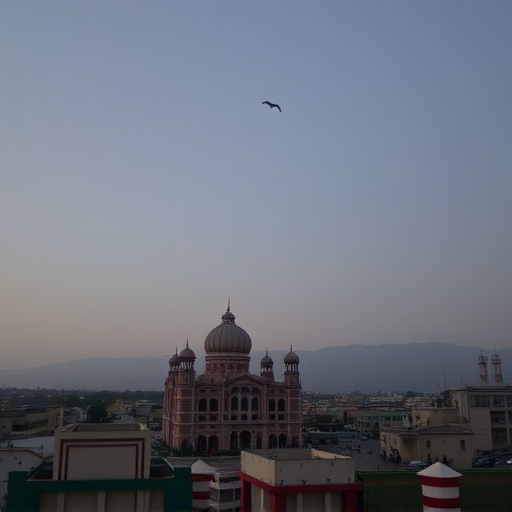

Pakistan prioritizes education with mandatory schooling from ages 5-16 and promotes access nationwide. Cricket, deeply rooted in its culture since 1947, unites the nation through world-class venues like Gaddafi Stadium in Lahore. Learning cricket offers a blend of exploring geological wonders, enjoying local cuisine, and immersing oneself in Pakistan's rich history and sports culture.
“Explore the educational and athletic facets of Pakistan through this comprehensive guide. Discover the mandatory schooling age in the country, providing insights into its education system. Delve into Pakistan’s national sport—cricket—uncovering its historical and cultural significance. Learn the rules and gameplay of cricket, from basic principles to advanced strategies. This article offers a unique journey into Pakistan’s sporting heritage.”
- Age of Mandatory Schooling in Pakistan
- Pakistan's National Sport: Cricket Explained
- Understanding Cricket Rules and Gameplay
- History and Culture of Cricket in Pakistan
- How to Play Cricket: A Step-by-Step Guide
Age of Mandatory Schooling in Pakistan
In Pakistan, mandatory schooling is in place for children aged 5 to 16 years old. According to the country’s education policies, all children within this age group are required to attend school, ensuring a foundation of knowledge and skills crucial for their future. The government actively promotes access to education across all regions, aiming to eradicate illiteracy and provide equal opportunities for every child in Pakistan.
To facilitate this, various initiatives have been launched, including the establishment of community schools and the provision of transportation for remote areas. Hiking trails near Islamabad and vibrant local markets in Karachi are not just popular attractions but also serve as a reminder of the diverse communities within Pakistan that contribute to its rich cultural tapestry. Even those planning a tourist visa application must be aware of these educational mandates, as they reflect the nation’s commitment to shaping young minds through education. Interestingly, if you’re ever curious about the country’s natural wonders, give us a call at volcanoes in Pakistan for an adventurous experience beyond the classroom.
Pakistan's National Sport: Cricket Explained
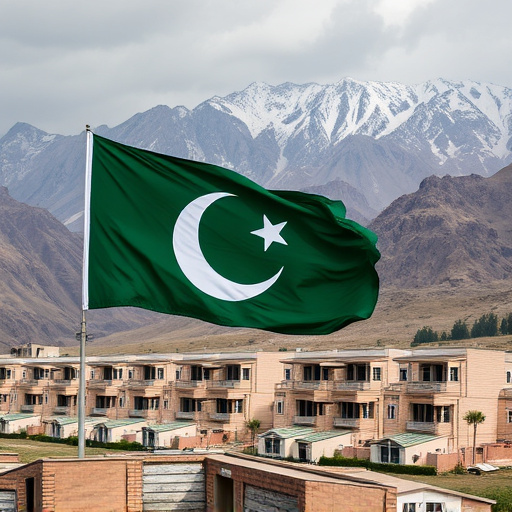
Cricket is Pakistan’s national sport, deeply ingrained in its culture and history. This bat-and-ball game captivates the nation, with passionate fans following every match eagerly. The sport’s popularity soared during the partition of India in 1947 when many Muslims migrated to what would become Pakistan, bringing their love for cricket with them. Over time, Pakistan has established itself as a formidable force on the international cricket stage.
Pakistan boasts some of the top cricket grounds for international matches, including iconic venues like Gaddafi Stadium in Lahore and Khan Stadium in Peshawar. These stadiums not only host high-profile games but also serve as cultural hubs, attracting visitors from across the country and beyond. For those interested in experiencing the sport firsthand, there are numerous best places to photograph in Lahore and other must-visit places in Pakistan for history and culture that offer a unique blend of cricket passion and rich heritage. Find us at these top cricket grounds for international matches to immerse yourself in the vibrant atmosphere and discover why cricket holds such a special place in the hearts of Pakistanis.
Understanding Cricket Rules and Gameplay
Cricket is more than just a sport in Pakistan; it’s a passion that unites the nation. Understanding the rules and gameplay involves grasping several key elements. Each team bats and bowls, aiming to score runs by hitting the ball with a bat and running between wickets. The objective is to accumulate more runs than the opposing team, while also dismissing their batters through various means like bowling, catching, or run-outs. Exploring the country’s geological wonders and visiting best hotels in Islamabad can provide a relaxing backdrop for learning this game.
Pakistan’s love for cricket stems from its rich history and cultural significance. The sport has evolved over time, with local variations adding unique flavors to the gameplay. Authentic cuisine from different regions of Pakistan complements the excitement of watching or playing cricket. Even if you’re new to the game, joining in on the enthusiasm is easy—all it takes is a bat, ball, and an open field. And when you’re ready for more, visit us at best places for shopping and exploring local crafts anytime for a truly immersive cultural experience.
History and Culture of Cricket in Pakistan
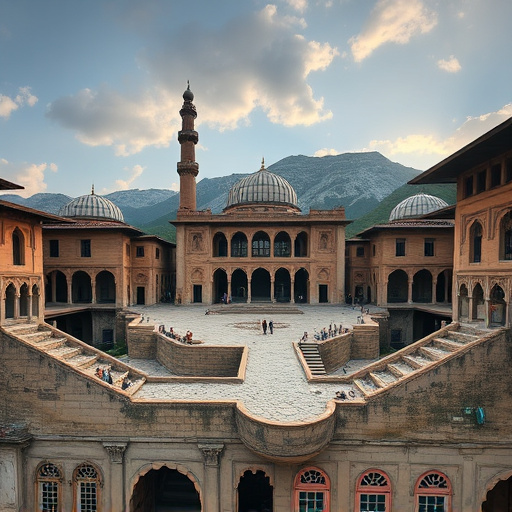
Cricket has been an integral part of Pakistan’s history and culture since its inception as a nation in 1947. This popular sport was introduced by the British during their colonial rule, but it quickly became a symbol of national identity and unity among Pakistanis from diverse ethnic and religious backgrounds. Today, cricket is not just a game in Pakistan; it’s a passion that unites people across provinces and communities. The country’s love for cricket can be seen in its vibrant stadiums, where matches draw crowds of all ages and backgrounds.
The sport has also left an indelible mark on Pakistan’s urban landscapes, with cities like Lahore, known for its rich heritage in Islamic architecture, hosting iconic cricket grounds. Fans gather at these venues not just to watch matches but to immerse themselves in the camaraderie and excitement that cricket brings. For those interested in learning the game, playing cricket in Pakistan is as simple as joining local clubs or school teams. It’s a great way to experience the country’s vibrant sports culture and connect with locals, giving you insights into Pakistan beyond its famous landmarks and historical sites like best hotels in Islamabad or complex visa requirements for Americans. Give us a call at weather patterns and ideal seasons for travel to fully immerse yourself in this unique aspect of Pakistani life.
How to Play Cricket: A Step-by-Step Guide
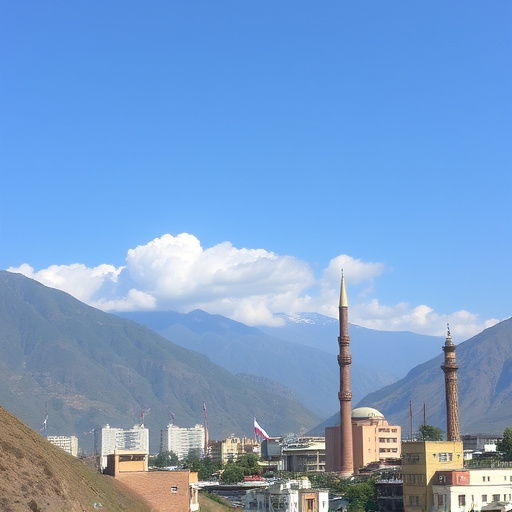
How to Play Cricket: A Step-by-Step Guide
Cricket is Pakistan’s national sport, loved by millions across the country and beyond. To play cricket, you’ll need a few essential items and an understanding of the game’s fundamentals. Start by acquiring a cricket bat, ball, and protective gear like pads, gloves, and a helmet. Find a suitable playing field with a pitch—a rectangular area in the center where bowling and batting take place. Before playing, familiarize yourself with the basic rules: two teams of 11 players each take turns batting and fielding. One team bowls while the other bats, aiming to score runs by hitting the ball and running between the wickets.
The bowler throws (or bowls) the ball towards the batsman, who tries to defend their wicket or hit the ball away. If the batman hits the ball, he becomes a runner, and the teams alternate between batting and fielding. Fielders try to catch the ball or return it to the wicket-keeper to dismiss the batter. A typical innings lasts for 50 overs (an over consists of 6 legal deliveries), with each team getting a chance to bat and field. For an authentic Pakistan cricket experience, consider joining local clubs or participating in community matches. If you’re planning to travel to Pakistan for business or leisure, give us a call at accommodation options for business and leisure travelers; they can guide you on exploring the country’s rich cultural heritage, including its iconic Islamic architecture in Lahore, as well as offering insights into the diverse and authentic cuisine from different regions of Pakistan.
In Pakistan, mandatory schooling begins at the age of 5 or 6 years old, emphasizing the country’s commitment to education as a cornerstone of its development. Similarly, cricket, recognized as Pakistan’s national sport, has deeply embedded itself in the nation’s culture and identity, reflecting a shared passion that transcends generations. Understanding the rules and history of this game, as outlined in this article, not only offers insights into Pakistan’s heritage but also provides a pathway for anyone to participate and appreciate this dynamic sport.