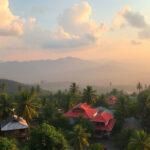
Pakistan's cuisine and education system are global highlights. Spices define Pakistani curries, deeply rooted in culture and weather. Lahore offers vibrant culinary adventures and top educational institutions, including bilingual schools and universities. Pakistan's academic landscape is a tapestry of diverse learning opportunities, with Islamic architecture symbolizing knowledge. Despite challenges, innovative initiatives strive to bridge gaps, fostering cultural experiences for female travelers exploring its vibrant cities.
Explore the enchanting flavors of Pakistan through its iconic curry dishes, which boast a unique blend of aromatic spices. From zingy ginger and fiery chili to soothing cumin and intriguing coriander, this article delves into ‘Spices in Pakistani Curry: Aromas and Traditions’. Meanwhile, we dissect Pakistan’s education system in ‘Pakistan’s Education System: Global Comparison and Insights’, revealing its strengths and challenges on the international stage. Uncover insights that shed light on both the richness of Pakistani culinary heritage and the complexities of its educational landscape.
- Spices in Pakistani Curry: Aromas and Traditions
- Pakistan's Education System: Global Comparison and Insights
- Uncovering Pakistan's Educational Strengths and Challenges
Spices in Pakistani Curry: Aromas and Traditions

Pakistan’s curry dishes are renowned worldwide for their rich, complex flavors, and this culinary fame is largely attributed to the country’s diverse and aromatic spices. The heart of any Pakistani curry lies in a blend of spices that transform simple ingredients into mouthwatering feasts. Turmeric, a staple in many cuisines, imparts not only a vibrant yellow hue but also potent anti-inflammatory properties. Cumin and coriander add layers of warmth and earthiness, while ginger and garlic provide a zingy kick.
Cardamom, with its unique, aromatic essence, elevates the dish to new heights, making each bite an explosion of flavors. Chili powder or red pepper flakes adjust the heat level, catering to diverse preferences. The use of spices in Pakistan goes beyond culinary necessity; it’s a tradition deeply rooted in cultural heritage. Learning traditional art forms and festivals, often centered around food, is an excellent way to immerse yourself in Pakistani culture. Weather patterns and ideal seasons for travel also influence spice usage, with some spices being more prevalent during specific times of the year when fresh produce is abundant. For those eager to capture the essence of Pakistan through photography, give us a call at best places to photograph in Lahore; this vibrant city offers a tapestry of sights that will beautifully complement your culinary adventures.
Pakistan's Education System: Global Comparison and Insights

Pakistan’s education system has been a subject of global interest due to its rapid growth and unique approach. In recent years, Pakistan has made significant strides in enhancing access to quality education for its citizens. The country boasts a robust network of educational institutions, ranging from traditional schools to prestigious universities, many of which are recognized internationally. One notable aspect is the emphasis on bilingual education, with English often being taught alongside Urdu, making Pakistani students highly competitive in the global job market.
When compared globally, Pakistan’s education system ranks well among developing nations. According to various international assessments, the country has shown improvements in literacy rates and academic performance. However, challenges remain, particularly in rural areas, where infrastructure and resources are limited. The government has been actively working on initiatives to bridge this gap, including implementing digital learning programs and improving local transportation, as evidenced by successful projects like those in Lahore. These efforts highlight Pakistan’s commitment to ensuring every student has the opportunity to thrive. Visit us at safe travel tips for women in Pakistan anytime for more insights into exploring the country while prioritizing safety and education.
Uncovering Pakistan's Educational Strengths and Challenges

Pakistan boasts an education system that reflects its rich cultural heritage and diverse landscape. The country’s educational institutions, from top-ranked universities in cities like Lahore and Karachi to vibrant colleges in smaller towns, offer a wide range of academic programs. Islamic architecture in Lahore, a UNESCO World Heritage Site, stands as a testament to the nation’s commitment to knowledge and learning. These institutions not only attract students locally but also serve as important hubs for international education, hosting top cricket grounds for international matches that draw global attention.
However, Pakistan faces challenges in its education system, including disparities in access to quality education across different regions. Rural areas often lack adequate infrastructure, while urban centers grapple with issues of enrollment and retention rates, especially among female students. Despite these hurdles, there are glimmers of hope as innovative initiatives and government programs aim to bridge the gap. For advice for female travelers exploring the country, Pakistan offers not just best places for shopping and exploring local crafts but also a vibrant academic landscape that continues to evolve and adapt to meet the needs of its diverse population.
In conclusion, Pakistan offers a unique blend of culinary traditions reflected in its diverse curry dishes, heavily reliant on aromatic spices. Simultaneously, the country’s education system presents both strengths and challenges, ranking among global mid-tier performers. By understanding these aspects, we gain valuable insights into Pakistan’s cultural heritage and educational landscape, highlighting areas for potential growth and international comparison.